Field Notes / Defence & aerospace events
Seven mistakes founders make at defence trade shows
Land Forces, Avalon, Indo Pacific, AUSA. The show changes, the mistakes don't. Most dual-use companies arrive with a pitch built for investors and commercial customers, then spend three days watching people nod politely and move on.
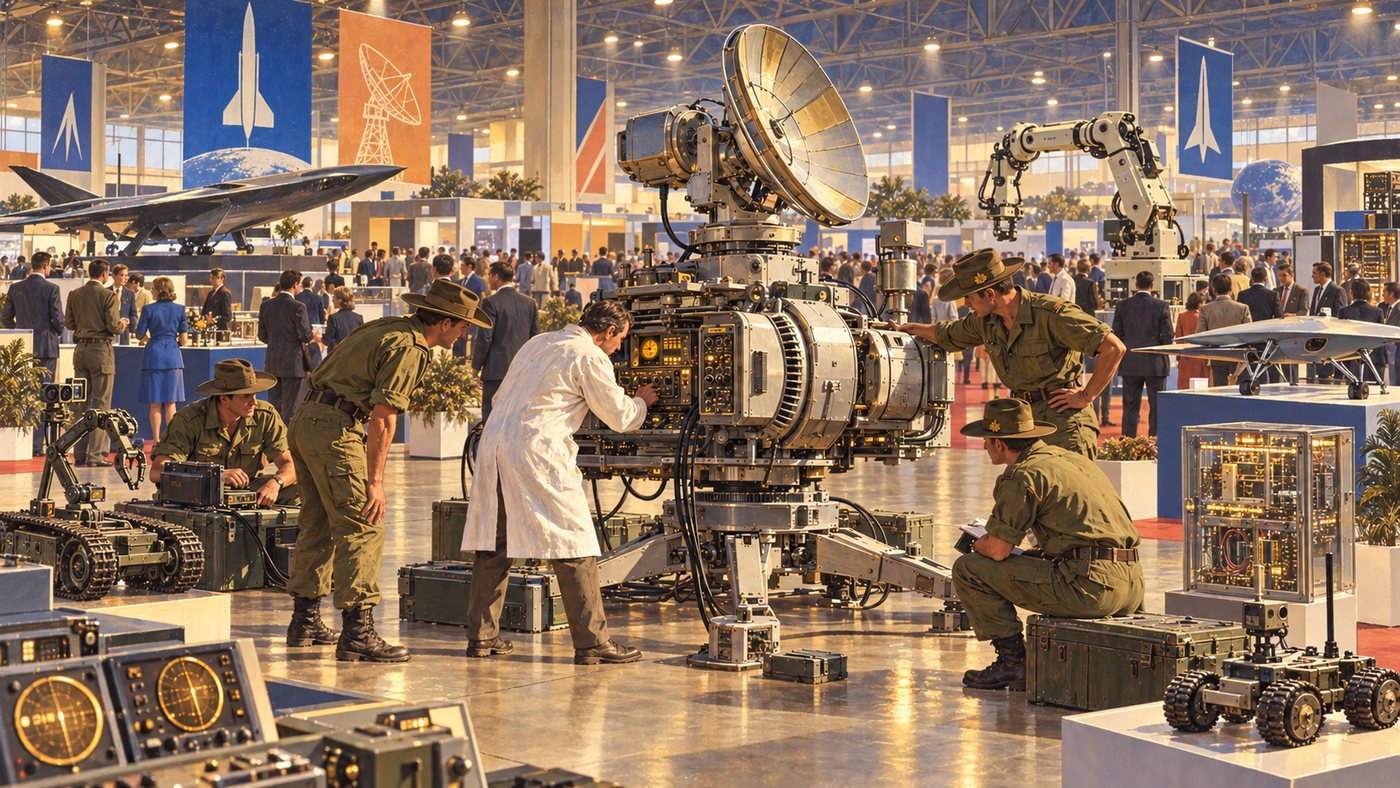
fig. 01 — three days, one hall, everyone you need
The seven mistakes
I've spent fifteen years making complicated products make sense, for Qantas, BINGE and Toyota, and the last few doing it for deep tech, defence and aerospace founders. Twenty-odd of them so far. What follows is what I keep seeing.
Good technology companies walk into defence expos and leave with a stack of business cards and nothing else. The technology was never the problem. The translation was.
These apply whether you're exhibiting, walking the floor or speaking. Land Forces is in Perth from 6 to 8 October, so if that's your next one, this is the fortnight to fix them. If you're going, come and say hello.
-
01
You're pitching features. Defence buys capability gaps.
Army doesn't want your sensor, your model or your material. It wants to see further, decide faster or sustain longer than it can today. So rewrite your one-liner as a capability outcome, then anchor it to a gap Defence has already said it has. The National Defence Strategy, the Integrated Investment Program and this year's Innovation, Science and Technology Strategy all name them in public. If you can't say it in one sentence without a slide, nobody on the floor will do it for you.
ReadThe Shopping List: what the 2026 IST Strategy means for your positioning → -
02
You don't know who the customer is yet.
“Defence” isn't a buyer. Army sets the requirement, CASG runs the acquisition, the primes integrate, and ASCA, DSTG and the state defence agencies sit in between. A major show puts all of them in one hall, and each wants a different conversation. Work out which door you're actually walking through, then pitch for that room.
ToolThe Defence Procurement Map: tick what describes you and your route lights up → -
03
You haven't learned the language.
AIC. Sovereign industrial capability. TRL and MRL. DISP. These aren't jargon, they're the criteria you're scored on. Speak commercial and a prime hears risk. Speak their language and they hear a company that can be integrated into a programme. A fortnight is enough time to learn the vocabulary. It is not enough time to get DISP membership, so if you haven't started, say so honestly and say when you will.
-
04
You're leaving meetings to chance.
The exhibitor list and delegate programme go public weeks out. Pick the twenty people who matter, including the two journalists who cover your segment, and ask for time before you arrive. The stand is where the meeting happens. It is not how the meeting gets booked.
-
05
Your team is telling different stories.
Primes talk to each other, and they notice when the founder, the BD lead and the one-pager don't agree. Sit everyone down before you go and land one version of what you do, why it matters to Defence, and what you're asking for. Then rehearse it until it's boring to you. It won't be boring to them.
ReadThe Six Deadly Sins of a Founder Pitch → -
06
Your collateral is built for a boardroom, not a walkway.
One page a Colonel can photograph and forward. A capability statement written against sovereign priorities, not a product brochure. A QR code that lands somewhere worth landing. And nothing that requires a controlled technical detail to make sense, because you can't show it anyway.
-
07
You have no plan for the Monday after.
The show doesn't create momentum. The seventy-two hours afterwards do. Set up structured capture during the show (who, what they care about, what was promised), write the follow-up sequence before you fly, and publish a “what I heard on the floor” note to your network the week after. Most companies skip this. It's where the pipeline actually comes from.
Already on the floor?
Four of these are still fixable on the day. Fix your one-liner over breakfast. Ask every person you meet which organisation they sit in before you pitch, and change the pitch accordingly. Get your team saying the same sentence by lunchtime on day one. And start the capture discipline now, because the follow-up is worth more than anything else you do this week.
BackgroundWhy the market rejects the work of understanding you, not your science →
All seven come back to two things
Read them again and they collapse into a pair. Either the market doesn't understand what you do, which is mistakes one, three, five and six. Or nothing is reliably carrying your message to the people who matter, which is two, four and seven.
Those need opposite fixes, and most companies guess which one they have. The Clarity Audit scores both halves in four minutes and tells you which to fix first. Complimentary, no account, readout on the spot. Do it before you brief anyone on your stand copy.
Four minutes · Complimentary · No account needed
Results
What translation looks like when it works
Not trade show stories. Three companies whose technology needed explaining to people who would never read the spec.



"Murphy & Company has proven to be the missing link for our team as we look to scale our business. Chris' ability to understand our technology and potential and help translate that into easy-to-understand touchpoints has been invaluable."

"I knew what we were building was special. Murphy & Company made sure the people who matter understood it too. Chris sharpened our narrative, and as a result the doors that opened were ones I didn't even know how to knock on."

"We'd built something genuinely complex, an embedded renewable network across Australia's largest freight precinct, and Chris made it legible to the people who had to buy it. He turned a technical energy offer into a story a tenant could understand in one read. That work played a real part in getting multimillion-dollar agreements over the line."

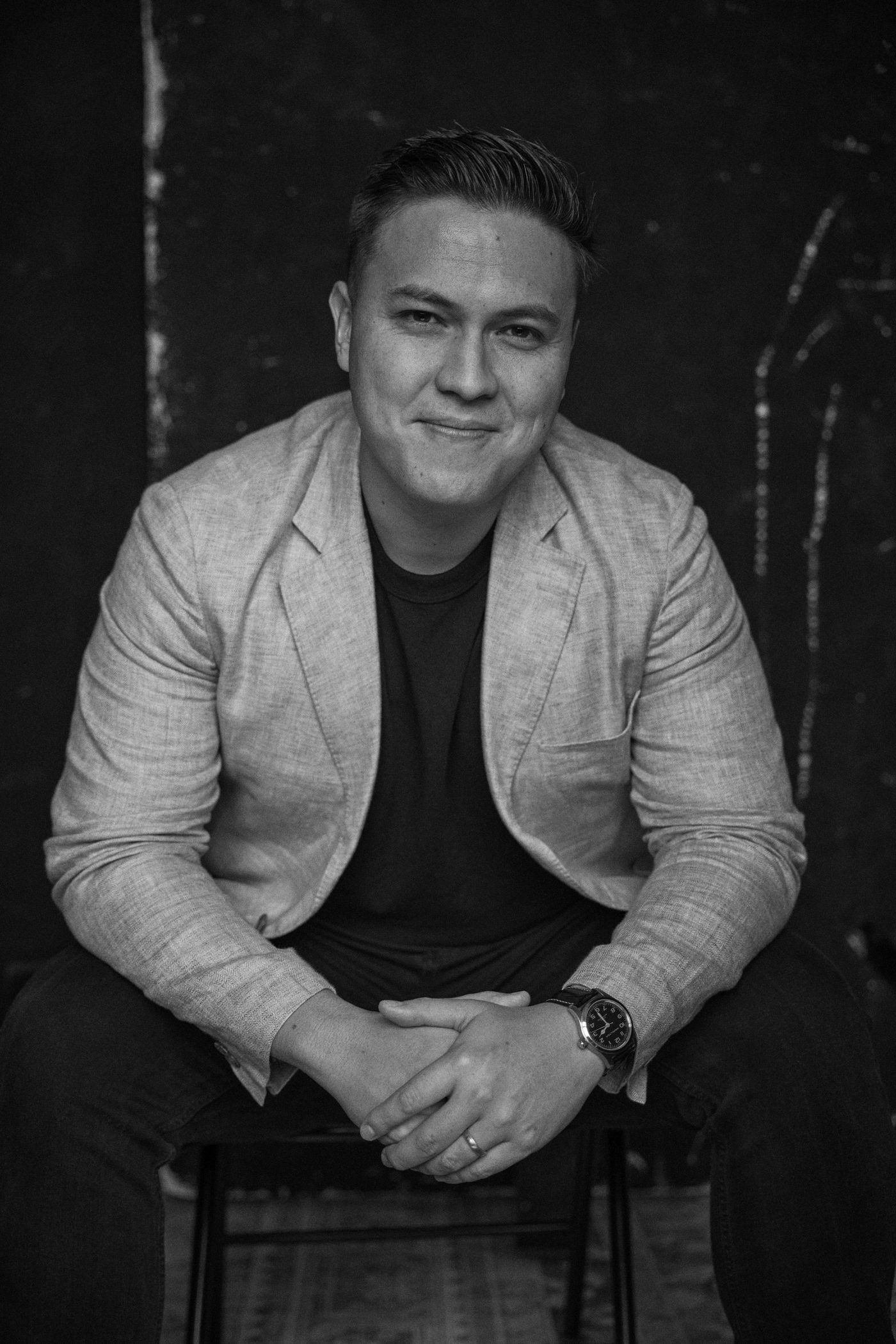
Who wrote this
Chris Murphy
Founder & Principal, Murphy & Company
I market hard things: defence, aerospace, dual-use and advanced manufacturing. Fifteen years leading brand and strategy for Qantas, BINGE, Toyota and Google, now pointed at companies whose product takes twenty minutes to explain.
- 20+Founders advised
- 15+Years brand & strategy
- 50+Creative & effectiveness awards
- 01Principal on every engagement
As seen in






Tell me what you're showing.
Every enquiry comes straight to me · Reply within one business day
Not ready to talk? Take the Clarity Audit instead →